Theatre Is Less Democratic of an Art Form Than Film Is
How tin the arts effect social change? That was the question raised in a conversation almost theatre, grassroots and activism that took place at the Senedd in Cardiff concluding Saturday. This latest debate in the Guardian and BAC's A Nation'due south Theatre series was also part of National Theatre Wales's Big Republic Projection.
There is a long history of performance as activism, from the street interventions of Staff of life and Puppet Theater to the hush-hush shows of Belarus Gratis Theatre, or the contempo Reclaim Shakespeare Company's protest against the links between the RSC and BP. The creative person Judy Chicago once argued that "performance can exist fuelled by rage in a mode a painting or sculpture cannot". Any kind of street-level protestation, from an anti-Trident demonstration to the pro-democracy umbrella protests in Hong Kong, is effectively a form of theatre (although in the United kingdom a flash mob is more than likely to exist a sign of someone trying to flog you something).
So when art and activism become manus in manus do they really change anything? The high-profile campaign confronting the Tate and oil money has certainly had an touch. Simply can we really expect even the most urgent and rage-fuelled piece of theatre to have audiences rushing to man the barricades and topple governments?
There is not much sign of information technology in the UK at the moment, despite the ferocious impact of the Tory-implemented cuts on everyday lives, particularly of the most disadvantaged and vulnerable. There has been plenty of political theatre, from Jack Thorne's Promise at the Royal Court to Chris Thorpe'south #Torycore, only do such shows practice anything simply preach to the converted?
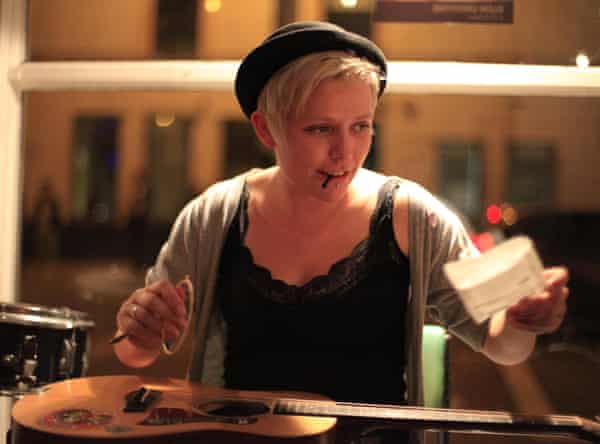
In the debate in Cardiff, the singer and activist Efa Thomas observed that sometimes information technology's non only virtually making protest art only about artists aligning themselves with other campaigns. She cited protests in Wales where those against cuts to the library service were well supported by artists, but those against cuts to services helping people with drug habit were non. "All these things are connected," she said.
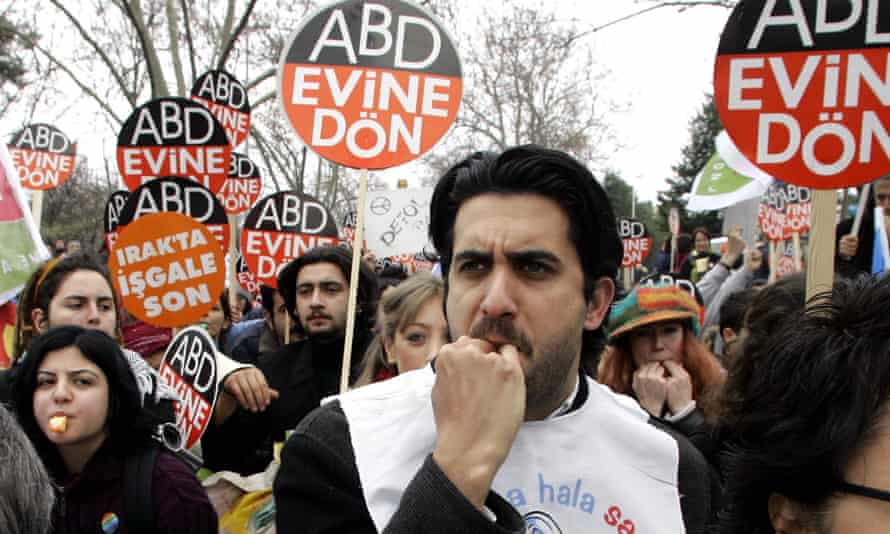
The Turkish theatre-maker and activist Memet Ali Alabora argued that arts events can certainly contribute to political modify. He and others involved in staging the play Mi Minör now live in exile in Cardiff after the Turkish authorities and pro-government media defendant the play of incitement and being a "rehearsal" for the 2013 Gezi Park protests in Istanbul, and Alabora had threats fabricated against him. As with the Belarus Complimentary Theatre, using performance as a means of protest threatened to become a matter of life and decease. It has certainly changed his life.
Such dangers may not be in the UK, but information technology's clear that arts and theatre tin yet make a difference to people'southward lives at grassroots level, even if – equally one participant pointed out – there's few such events happening in rural areas. Is it the example that, like fine art itself, activism is just within reach of those living in major cities?
Maybe non. Geraldine Maddison, from the Forsythia Youth Projection in Merthyr, talked passionately near the young people she works with, many of whom accept been excluded from other organisations, who "reject to be written off by their postcode". They have used art in local campaigns that have not just brought about change inside the customs but also empowered the young people leading them.
Rhiannon White, from Common Wealth Theatre, argued that artists working within communities need to adopt the projects those communities really want rather than vice versa. She believes community art volition have changed null if it doesn't have the enduring issue of empowering the community to go along what has been started.
Battersea Arts Centre'due south artistic director David Jubb observed recently that theatres "over-serve the most advantaged people in this country and risk becoming irrelevant to the many, in favour of the few". He said this was "a huge disservice to artists and their potential role as alter makers".
This idea of artists driving alter is a powerful one, and has item entreatment during a time when the right is on the rising, both at home and across Europe. The act of gathering people together is potent, potentially even unsafe.
Mayhap a play at the Royal Courtroom, however aroused and urgent and edgy, is unlikely to bring virtually social change on its ain, but at a grassroots level theatre-makers can enable communities to come together socially, end isolation, solve local problems and clear their ambitions. Every time they practise so they are challenging the ascendant culture and established ways of thinking and doing and proving that theatre and activism are fantabulous bedfellows, more powerful together than apart.
Source: https://www.theguardian.com/stage/theatreblog/2016/mar/23/theatre-effective-protest-activism-change-debate

Post a Comment for "Theatre Is Less Democratic of an Art Form Than Film Is"